
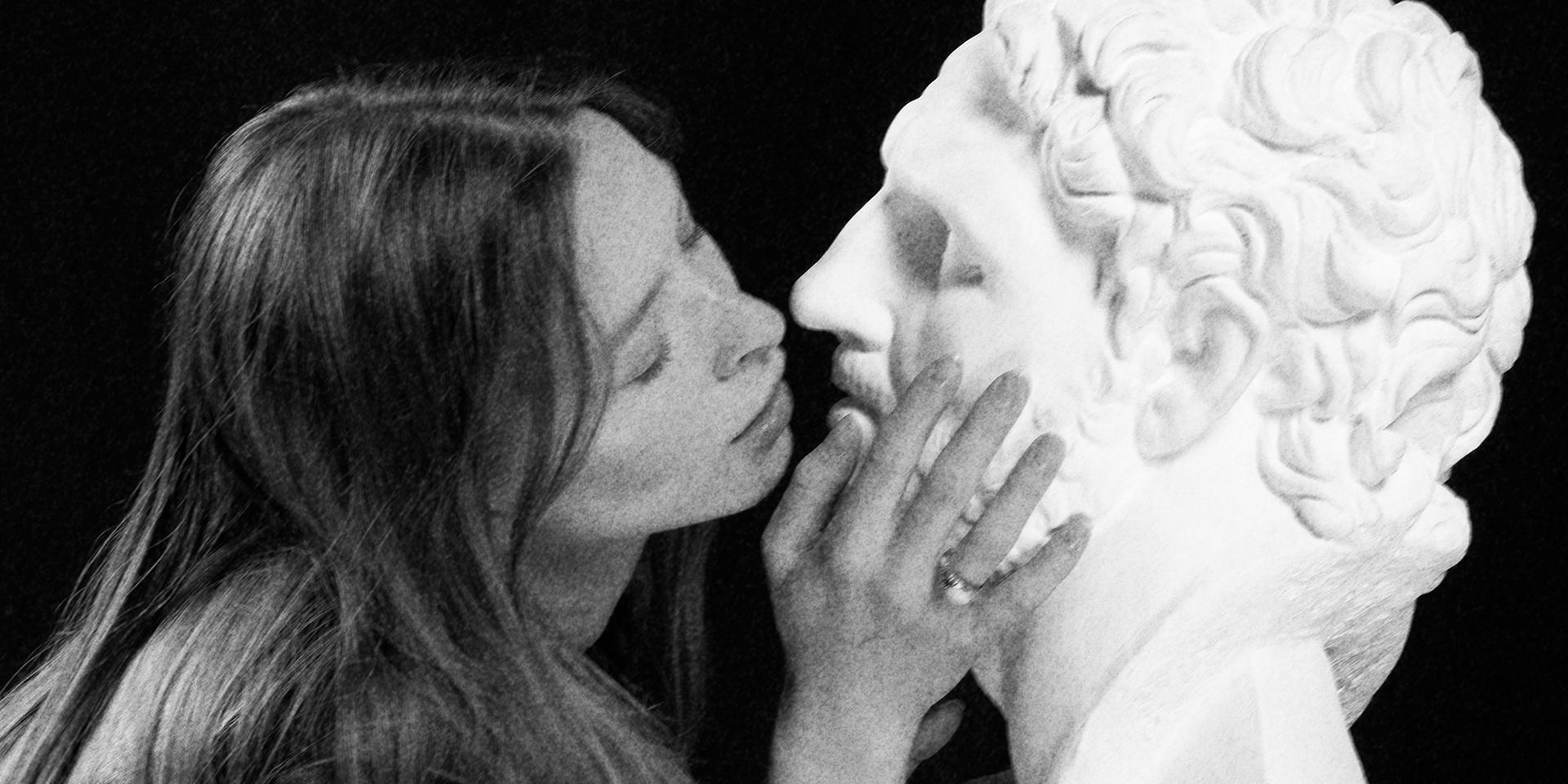
Salome | Richard Strauss
The biblical episode is well known: during a banquet, Princess Salome dances for Herod and he promises her anything in return; the young woman asks for and obtains the head of John the Baptist. In 1891, Oscar Wilde turned the story into a drama, enriched with new elements, which enjoyed great success in Germany and consolidated the image of Salome as a combination of innocence and perversion. Richard Strauss, in search of a subject for a new opera, did not let it slip away and set Wilde’s text (translated into German) to music as it stood, with only minor changes.
One year after the scandal of its world premiere in Dresden in 1905, Strauss conducted the first performance outside the German-speaking countries of Salome at the Teatro Regio, which is now reviving it under the direction of Axel Kober, returning to Italy after having already conducted it successfully at La Scala in 2023. Kornél Mundruczó, a film director active for a decade also in opera, signs a surrealist staging set in the Trump era, with soprano Johanni van Oostrum in the title role surrounded by a top-level cast, including John Daszak, Jennifer Larmore and Gábor Bretz.
120 years have passed since that first scandal, and Salome has never ceased to seduce with the novelty of its dissonant language, the Jugendstil lines, the sensuality of the Dance of the Seven Veils, and the hallucinatory atmosphere in which Strauss immerses Herod’s nightmare palace, dragging both characters and audience into an inescapable vortex. Nothing like it had ever been heard before.
Lecture-concert: Wednesday, March 31 at 6 p.m. – Toro Foyer
One-act drama
Characters and cast

Johanni Van Oostrum

John Daszak

Jennifer Larmore
Gàbor Bretz
Matthew Newlin

Ena Pongrac

Florian Panzieri

Michael Smallwood

Alexander Marev
Emanuel Tomljenovic

Karl Huml
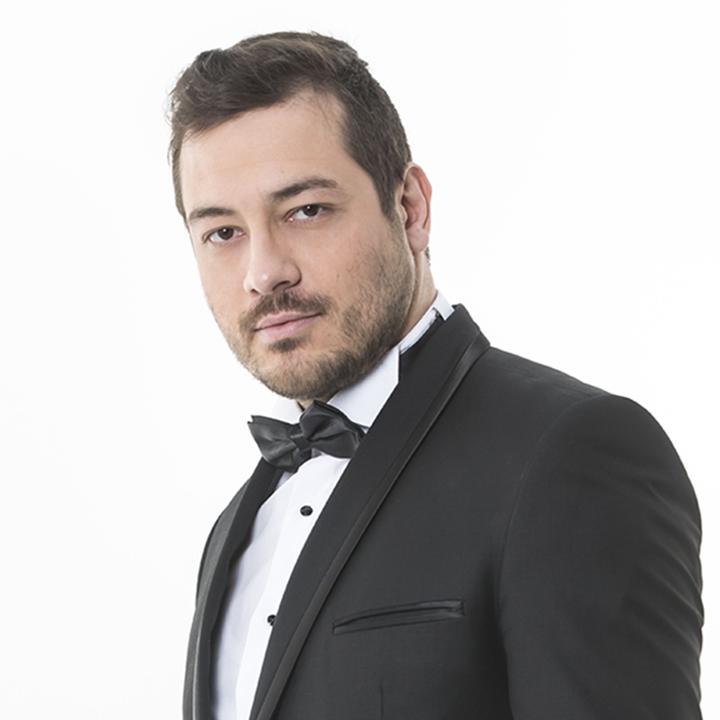
Vladimir Sazdovski

Yiorgo Ioannou

Dohoon Lee (Regio Ensemble)
Performances
Synopsis
atto
A large terrace in Herod’s palace in Jerusalem.
Scene I
On a moonlit night, Narraboth, a young captain of the guard, looks toward the hall where Herod has gathered his courtiers for a banquet, gazing in ecstasy at Salome. While two soldiers guarding the cistern in which the prophet Jochanaan is imprisoned comment scornfully on the religious disputes among the Jews, Herodias’s page urges Narraboth not to be bewitched by the dangerous beauty of the young princess. When Jochanaan’s voice announces the coming of the Messiah, the soldiers debate whether he is a saint or a madman: in any case, faithful to the king’s orders, they prevent a Cappadocian from meeting the prophet.
Scene II
Salome, irritated by the lustful gazes of her stepfather Herod, has left the banquet hall. Drawn by Jochanaan’s voice, she ignores the slave who brings her Herod’s invitation to return to the hall. Since the soldiers refuse to grant her request to see the prisoner, Salome turns in a seductive manner to Narraboth, who is easily persuaded to order the guards to bring Jochanaan before the princess.
Scene III
Brought out of the cistern, Jochanaan hurls his accusations against the immorality of Herod and his wife, Queen Herodias. Yet Salome is fascinated by the depth of his gaze: deaf to Narraboth’s pleas that he tries to drive her away, she declares her name to the prophet, who curses her as a descendant of a sinful lineage. Salome, drawn to the prophet’s body “white as snow,” wishes to touch him. Jochanaan repels her in horror, but Salome persists: she wants to caress his hair, she desires his lips. Narraboth begs her not to speak such words to that man; then, overwhelmed by the girl’s erotic paroxysm, for which he is hopelessly in love, he draws his dagger and kills himself. Salome, as if unaware of anything, continues to ask the prophet to kiss her. Jochanaan urges her to seek the one who alone could save her and who is now on the Sea of Galilee, on a boat, with his disciples. He calls on her to fall at his feet and ask for the remission of her sins. But as Salome persists, Jochanaan curses her again and returns to the cistern.
Scene IV
Meanwhile Herod, having left the banquet, is searching for Salome, despite Herodias urging him not to think about his stepdaughter. Herod slips on Narraboth’s blood: recognizing in the corpse the handsome officer who used to languish at the sight of Salome, he orders it to be taken away. In a state of hallucination, he claims to hear the breath of the wind and the beating of wings: Herodias reproaches him for having been bewitched into madness by Salome. Herod tries to flatter Salome, who remains completely indifferent, instead provoking Herodias’s growing rage. Once again Jochanaan’s voice resounds: Herodias wants him silenced, and when Herod replies that Jochanaan is a great prophet, the queen retorts that he fears him and suggests handing him over to the Jews. At this point five Jews engage in a theological dispute, questioning whether Jochanaan could have seen God. Jochanaan’s voice resounds again, announcing the coming of the Saviour, and two Nazarenes come to his defence, affirming the truth of his words and testifying to the miracles performed by the Messiah announced by the prophet. From the cistern, Jochanaan again rages against Herodias, who once more demands that Herod order him to be silenced. But Herod does not listen, and, while the prophet’s invectives continue to echo from the cistern, he asks Salome to dance for him: in delirium, he promises to grant her anything she desires in return. Despite her mother’s attempts to dissuade her, Salome performs a sensual dance, removing seven veils, and finally throws herself, naked, at Herod’s feet. When the ecstatic Tetrarch asks her what she desires as a reward, Salome demands that the head of Jochanaan be brought to her on a silver platter: for her own pleasure, she adds, not to satisfy her mother’s desire for revenge. Herodias in turn reminds her superstitious husband, terrified that the prophet’s death might bring disaster upon him, of the oath he made before all. Herod tries to make her change her mind by offering jewels, treasures, anything she desires—even, he adds, to the Jews’ outrage, the Veil of the Temple. But Salome is adamant in demanding the prophet’s head. Terrified into delirium, Herod is forced to comply. The executioner descends into the cistern. Salome is anxious because no sounds or cries are heard: but from the darkness the executioner re-emerges, carrying the severed head of the prophet. Seizing Jochanaan’s head, Salome addresses it with burning words of insane passion, and finally kisses its lips. Herod is horrified by the scene he has witnessed. Herodias refuses to withdraw with him into the royal apartments and declares her approval of her daughter’s actions. As Salome voices her macabre exultation, the Tetrarch, as he leaves, orders the soldiers to kill her.